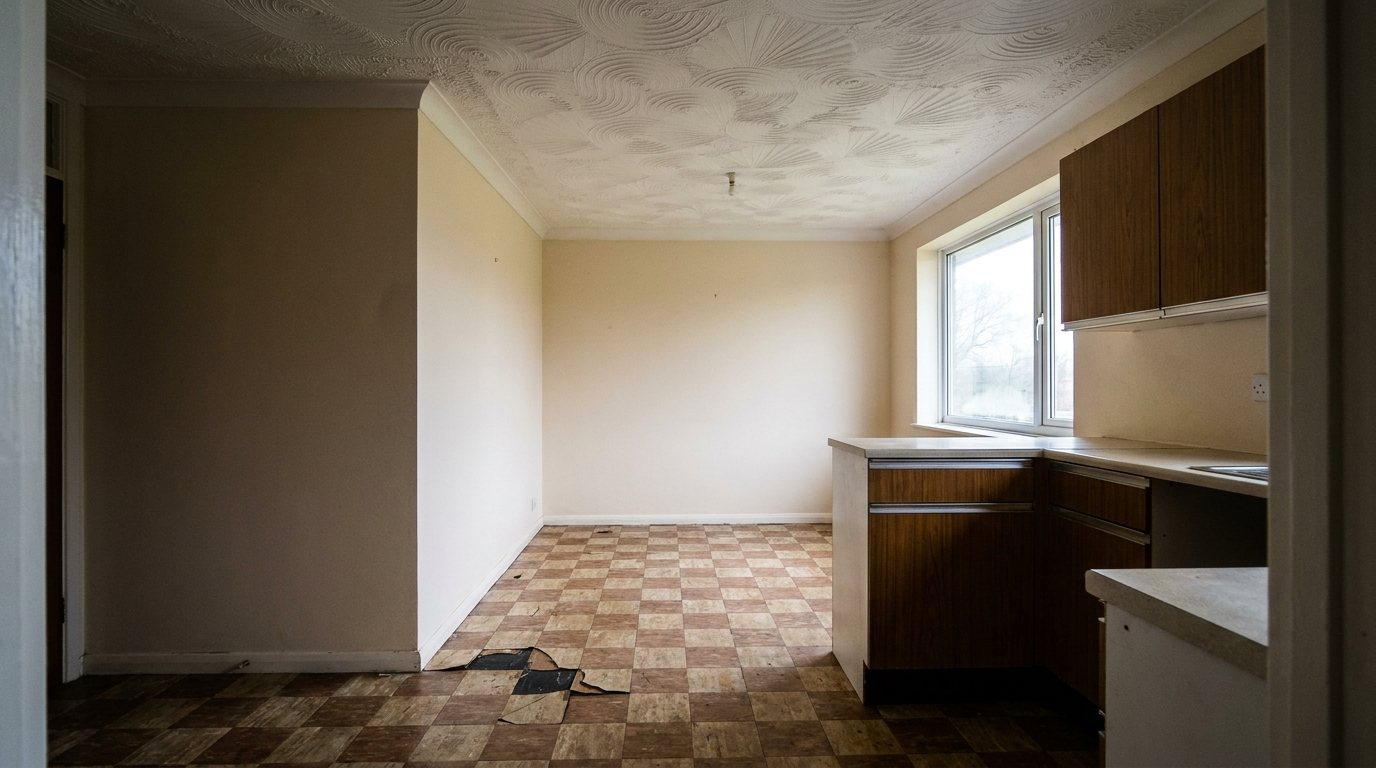
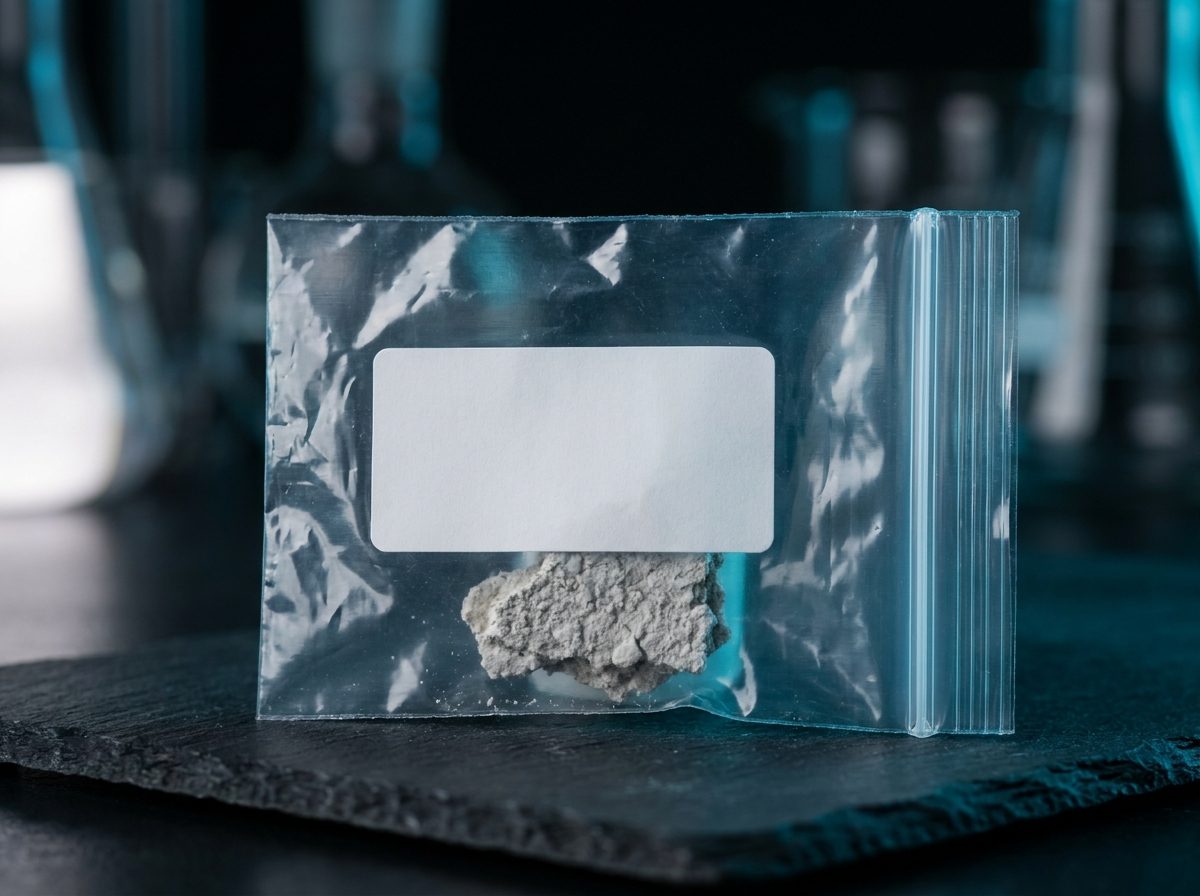
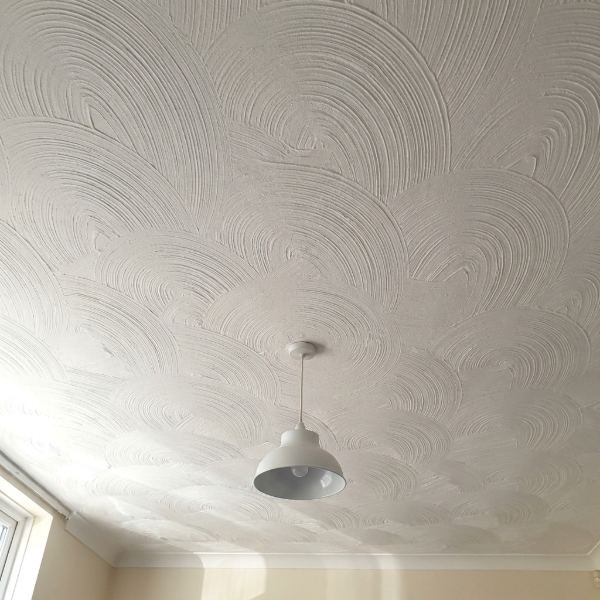
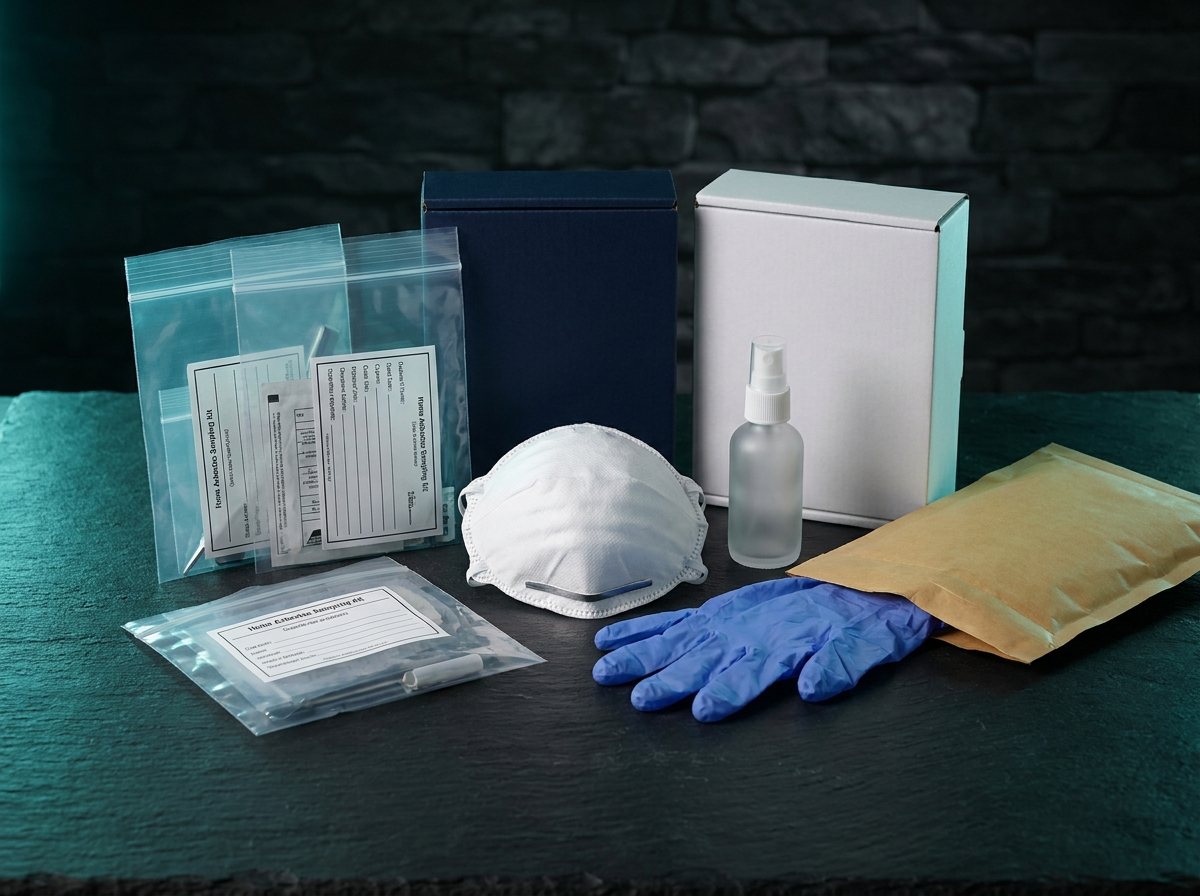
Only a lab test can tell you for sure. Your photo helps us send the right kit.
If your home was built or done up before 2000, there's a fair chance a buyer's surveyor will write the word "asbestos" somewhere in their report. Sellers tend to ask the same few questions. Is it illegal to sell? Do I have to tell them? Should I get rid of it first? This page answers them as plainly as we can.
This is general guidance, not legal advice. Your conveyancer or solicitor can tell you what applies to your sale.
Can you sell a house that has asbestos in it?
We know of no UK law that stops you selling a home because it contains asbestos. It would be hard to have one: HSE says asbestos may be part of any domestic building built or refurbished before 2000, and the Valuation Office Agency's figures show about four in five homes in England and Wales were built before then.
What matters is honesty, and giving buyers clear information.
What the forms ask
England and Wales. Sellers usually fill in the Law Society's Property Information Form, known as the TA6. The Law Society's notes for the current edition don't mention asbestos by name (we checked on 23 October 2026). But they're clear about how to answer every question: truthfully, completely and as accurately as you can. They also say buyers can rely on the information you give, and that if you give misleading information, the buyer may be able to claim compensation after completion.
Scotland. The Home Report includes a property questionnaire that you, the seller, complete. mygov.scot says it covers past issues "like fire or storm damage or asbestos".
Northern Ireland. Ask your solicitor which forms and questions apply to your sale.
In every case, if you know something, say so. If you don't know, say that. A certificate makes both easy.
Should you test before you list?
There's no rule that you must. But a test can help in three ways.
- It answers the surveyor's "may contain". A buyer's survey will often flag a textured ceiling or an old garage roof as possibly containing asbestos, because a standard survey doesn't test anything. A lab result for that material replaces "may" with a fact.
- It calms nervous buyers early, before they've spent money and lost sleep. A worried buyer late in a sale is far harder to deal with than a question answered at the start.
- It gives you something to hand over with the house papers.
The honest flip side: if the lab finds asbestos, you'll know, and you'll need to answer the forms accordingly. That's no different from what you should do anyway. Most buyers would rather hear "the hall ceiling contains a small amount of white asbestos, it's in good condition, here's the certificate" than discover it later.
What to test
Start with what surveyors usually flag, and only what you can sample safely:
- Textured ceilings and walls. One sample per area textured at a different time or in a different pattern. See Artex.
- Old floor tiles, and the black adhesive under them, if any are visible.
- Cement sheets, gutters or panels you can reach from the ground. Never from a roof.
Some things should never be sampled by you, including lagging, sprayed coatings, loose fill, damaged material, and roof sheets you'd have to climb to. Insulation board needs a photo first. See should you sample it yourself?
Don't rip it out in a hurry
It can be tempting to scrape off the Artex or pull up the old tiles before the photos go online. Please don't, unless you've had it tested and it's being done properly.
- Removing asbestos is when it's most likely to release fibres. HSE's advice is that materials in good condition are often best left where they are. UKHSA does not recommend DIY removal of asbestos without advice.
- A sound, recorded material with a certificate is often less of a worry to a buyer than a freshly stripped room with no paperwork.
- If you do have something removed, use a professional and keep every document. Bristol City Council's guidance makes a useful point: if a builder creates asbestos waste, it's their responsibility to deal with it, and the cost should be in their quote.
Who pays for testing?
There's no fixed rule that we know of. A seller can choose to test before listing. A buyer can ask to test, with your permission, or ask you to arrange one. It's a matter for agreement, ideally through your conveyancer, before anyone books anything.
If a buyer asks to take samples, it's your home and your choice. You can agree, ask that a professional takes them, offer results you already have, or say no. Ask your conveyancer before you decide.
What to hand over
- The lab certificates, unchanged.
- A note or photos showing exactly where each sample was taken.
- Dates of any work: when ceilings were textured or covered, floors laid, anything removed.
- For a flat: details of who manages the building's shared parts. HSE says the duty to manage asbestos applies to the shared parts of some domestic buildings.
Be clear about what a result covers. A "no asbestos detected" certificate for the lounge ceiling covers the lounge ceiling. Never describe it, or let anyone describe it, as an "asbestos-free certificate" for the house. See what "no asbestos detected" means.
- Getting ready to list? Send us a photo of anything you think a surveyor might flag: start the free photo check.
- We'll point at what's worth testing, how many samples, and anything you shouldn't touch. Only the lab can say what a material is.
- Kits are launching soon. Your sample will be analysed by a UKAS-accredited laboratory, named on every certificate.
Questions people ask
Is it illegal to sell a house with asbestos in the UK?
We know of no UK law that stops you selling a home because it contains asbestos, and a large share of UK homes were built before 2000. What matters is answering the sale forms truthfully. Ask your conveyancer about your own sale.
Do I have to tell buyers about asbestos?
Answer the forms honestly from what you know. In England and Wales, the Law Society says buyers can rely on what you put in the TA6, and misleading information can lead to a compensation claim. In Scotland, the Home Report questionnaire covers asbestos.
Should I remove asbestos before selling?
Usually not in a rush. Removal is when asbestos is most likely to release fibres, and HSE says materials in good condition are often best left in place. If you want something gone, have it tested first and use a professional, then keep the paperwork for the buyer.
Who pays for an asbestos test, the buyer or the seller?
There's no fixed rule that we know of. Sellers sometimes test before listing to answer questions early. Buyers can ask to test, with your permission. Agree it through your conveyancer.
The buyer wants an asbestos survey. Do I have to agree?
It's your property, so it's your decision. You can agree, ask that a professional does it, offer results you already have, or decline. Talk it through with your conveyancer, because how you respond can affect the sale.
Sources
- The Law Society, TA6 (6th edition) (2025) – explanatory notes for sellers and buyers (answer truthfully; buyers can rely on the information; misleading information and compensation; no mention of asbestos by name), checked 23 Oct 2026: www.lawsociety.org.uk/topics/property/ta6-6th-edition-explanatory-notes
- mygov.scot, Home Report (property questionnaire covers asbestos), seen 23 Oct 2026: www.mygov.scot/buy-home/home-report
- HSE, Asbestos FAQ (buildings before 2000; leave in place; shared parts of some domestic premises), updated 2025-09-04: www.hse.gov.uk/asbestos/faq.htm
- Valuation Office Agency, Council Tax: stock of properties 2025, table CTSOP4.0 (England and Wales, build period, 31 March 2025): www.gov.uk/government/statistics/council-tax-stock-of-properties-2025
- UKHSA, Asbestos: general information (DIY removal), updated 15 May 2025: www.gov.uk/government/publications/asbestos-properties-incident-management-and-toxicology/asbestos-general-information
- RICS, Description of the RICS Home Survey – Level 2 (not an asbestos inspection): www.rics.org/content/dam/ricsglobal/documents/standards/description_of_the_rics_home_survey_level_2.pdf
- Bristol City Council, Hazardous household waste (builders' responsibility for waste they create), seen 23 Oct 2026: www.bristol.gov.uk/bins-recycling/hazardous-household-waste
- HSE, HSG264 Asbestos: The survey guide, para 38 (materials cannot be presumed asbestos free without strong evidence): www.hse.gov.uk/pubns/priced/hsg264.pdf
- Our own research notes (B), section 4 (question 17: "Is it illegal to sell a house with asbestos?", who pays, disclosure), 22–23 Oct 2026.
Updated 23 October 2026