Only a lab test can tell you for sure. Your photo helps us send the right kit.
You can't tell by looking
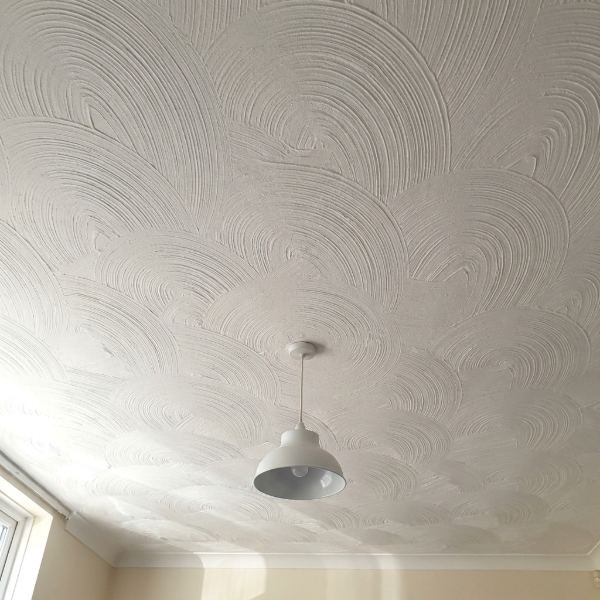
Asbestos fibres are far thinner than a human hair. They were mixed into ordinary-looking building materials: cement, textured coatings, floor tiles, boards and insulation. An asbestos cement sheet and a modern fibre cement sheet can look identical. So can a textured ceiling with asbestos in it and one without.
No photo, app or trained eye can confirm asbestos. Only a lab test can. Anyone who tells you otherwise from a picture is guessing.
White, brown and blue
You may hear about white asbestos (chrysotile), brown asbestos (amosite) and blue asbestos (crocidolite). Those are the names of the minerals, not the colour of the material in your home. A ceiling with blue asbestos in it isn't blue. The lab works out the type under a microscope.
Where it's often found in UK homes
If your home was built or refurbished before 2000, these are the usual places to check:
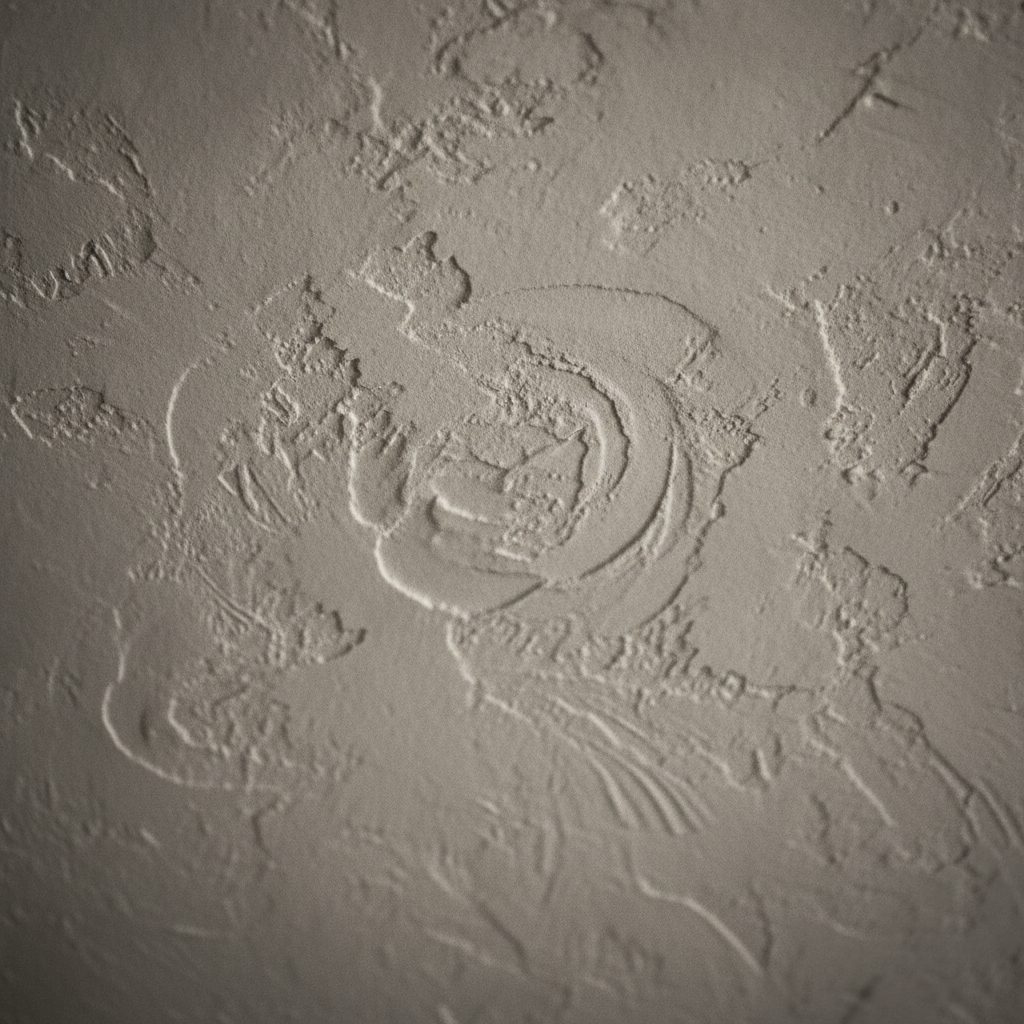 Artex and textured coatings
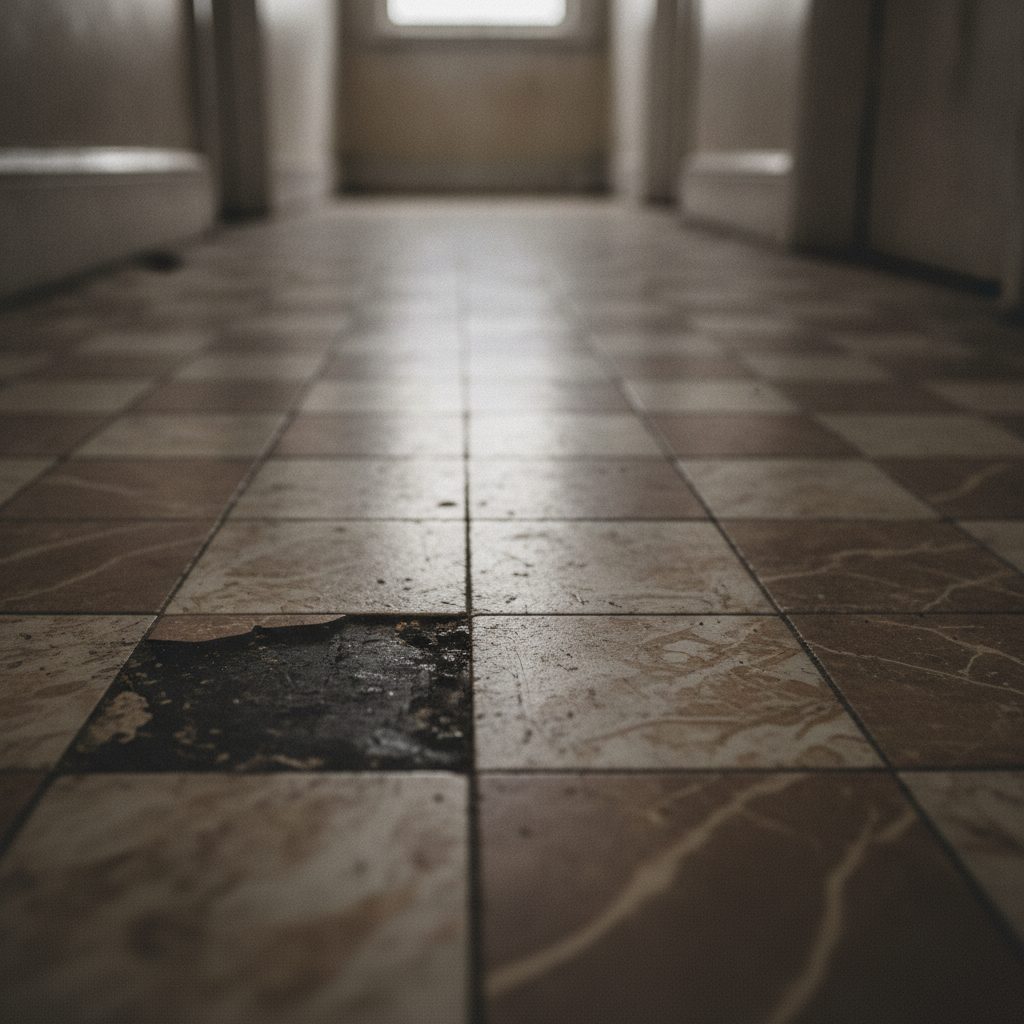 Floor tiles and adhesive
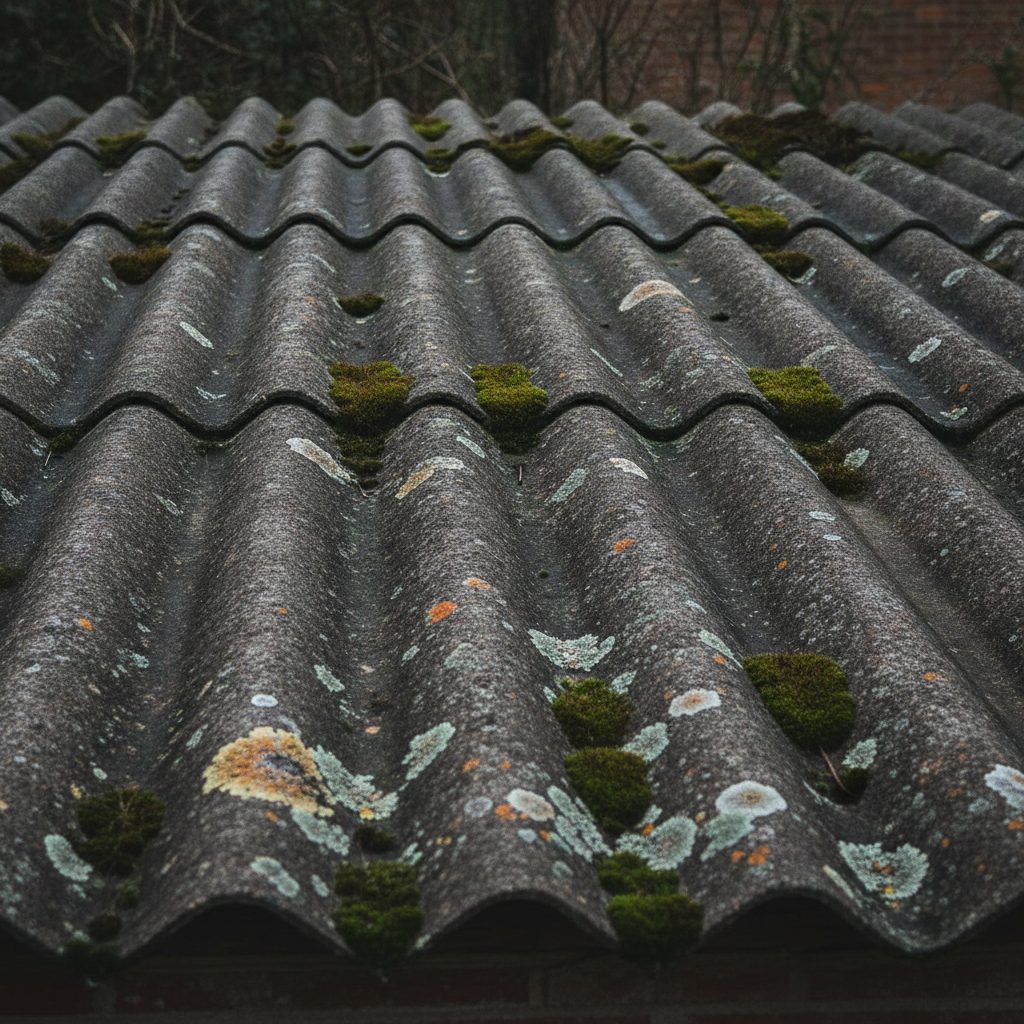 Garage and shed roofs
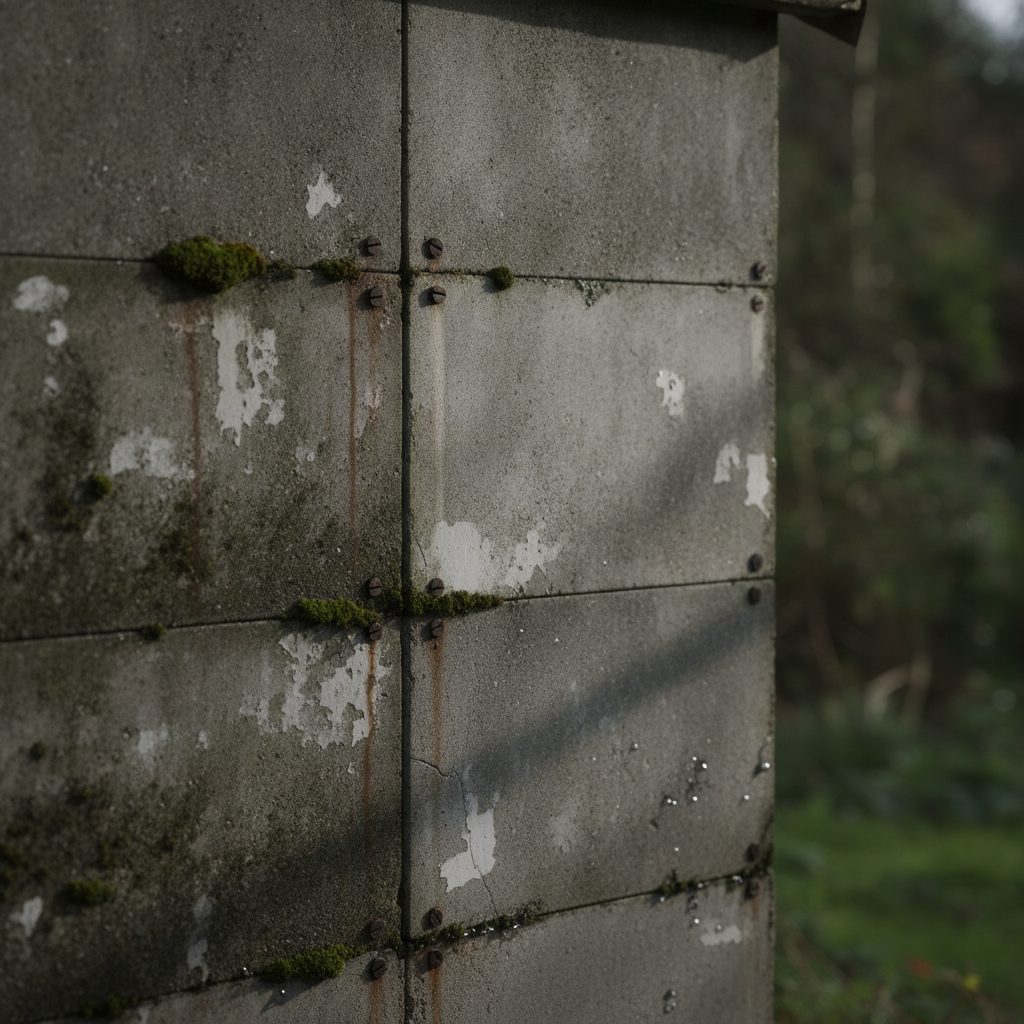 Cement sheets and panels
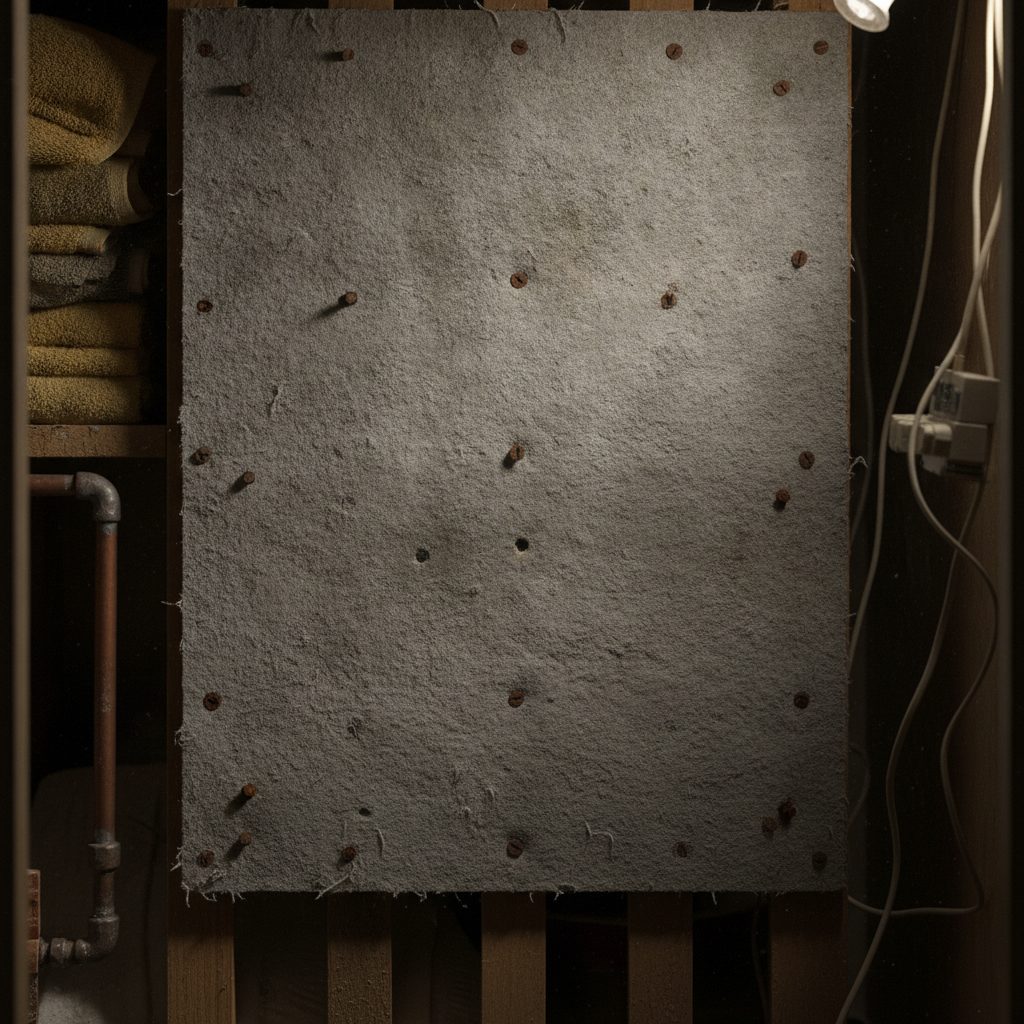 Insulation board
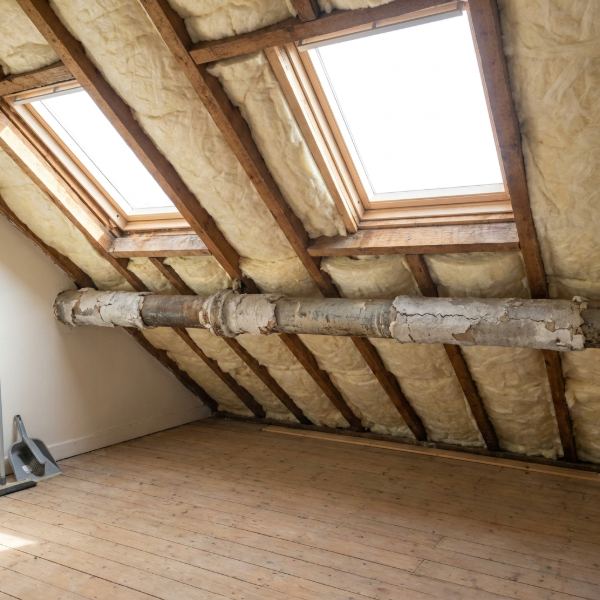
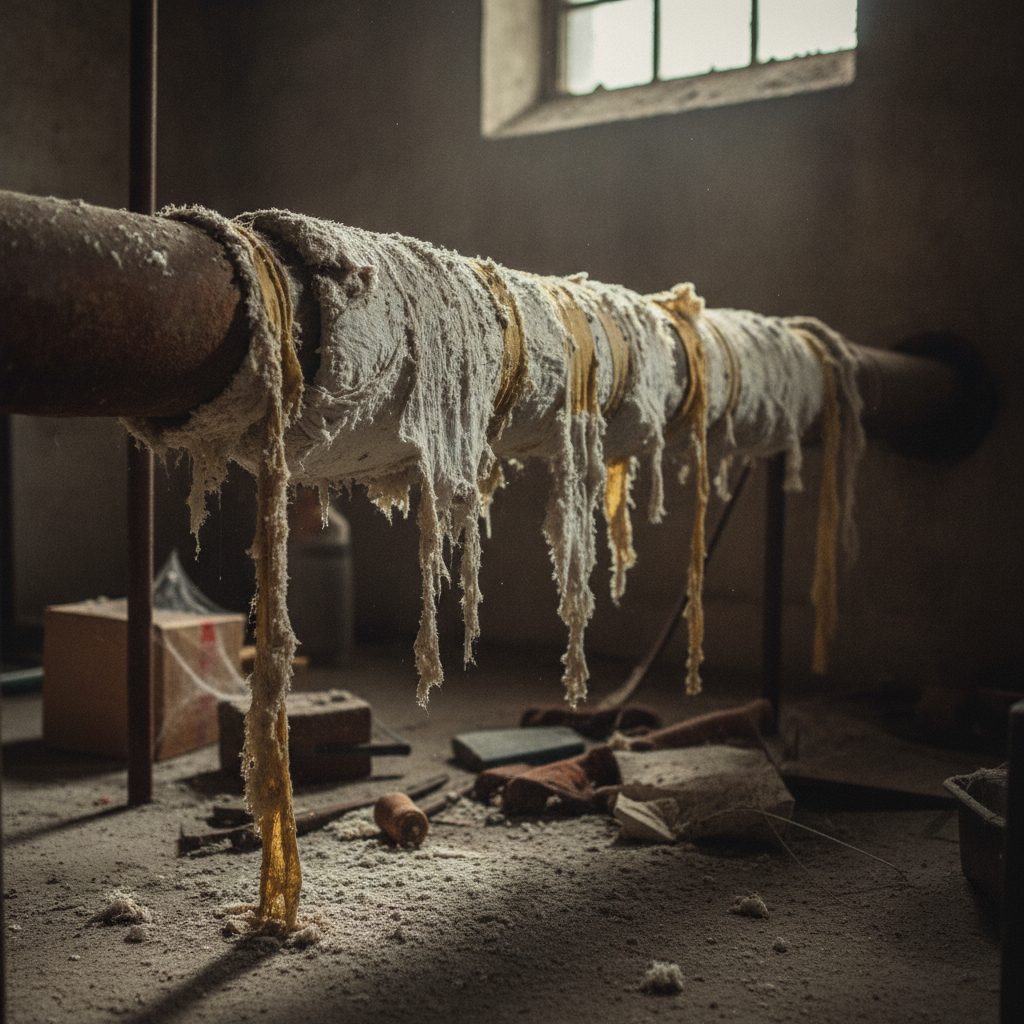 Pipe lagging
Other places include old toilet cisterns, window sills, bath panels, fire blankets, old heaters, and the seals in older boilers and fires. Sprayed coatings and loose-fill insulation are rarer, and the most dangerous: see sprayed coatings and loose fill.
When does it matter?
Left alone and in good condition, most asbestos is a low risk. It matters when it's damaged, or when you're about to drill, sand, cut, scrape or knock something down. That's the moment to find out.
Breathing in asbestos fibres can cause serious diseases, including mesothelioma, lung cancer and asbestosis. They usually take many years to appear. If you're worried you've breathed in asbestos, talk to your GP.
How the lab tells
A small sample goes to the laboratory. An analyst looks at it under a polarised light microscope, the standard way to identify asbestos in a material. Your sample is analysed by a UKAS-accredited laboratory, and the result comes to you by email, in writing.
Where a photo helps
A photo can't tell you whether something is asbestos. What it can do is help us work out which kit you need, how many samples, and whether it's safe to take a sample at all. Some materials, like pipe lagging, should never be sampled by you.